What Is Zoning in Climate Control?
Zoning in HVAC systems refers to dividing a building into independent climate zones, each with its own temperature control. Unlike traditional setups where one thermostat rules the entire space, zoning enables personalised comfort and optimized energy use by directing hot or cold air where it’s actually needed.
This smart approach is a cornerstone of energy-efficient buildings and sustainable architecture.
How Smart Zoning Works
Zoning systems use motorised vents, temperature sensors, and a zoning controller to manage airflow per zone. These elements communicate in real-time to ensure the ideal temperature for every area, based on current usage and occupant needs.
Key Components of a Zennio-Based Zoning System:
- Zoning controller: Coordinates vent operation based on sensor input.
- Motorised actuators: Open/close vents to adjust airflow.
- Temperature sensors: Installed in each zone to send real-time data.
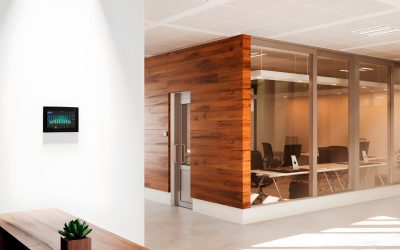
- Touchscreen or interface: Offers user control and climate visualisation.
- Thermostat function: Often built into displays for local automation.
Why Zoning Matters in Modern Buildings
✅ Save Energy, Lower Costs
Only condition the spaces that are in use. Zoning avoids wasting energy in empty rooms and helps cut HVAC-related costs.
✅ Individual Comfort per Room
Everyone has their own temperature preferences. Zoning makes it possible to satisfy all of them—simultaneously.
✅ Achieve Better Energy Certifications
Zoning supports compliance with EU energy directives and programs like Horizon Europe. These systems boost energy ratings and can help unlock government incentives and tax benefits.
👉 More details can be found here
Zennio Zoning Solutions: Tailored for Any Project
For 230VAC Vents: IRSC Zone
- Integrates HVAC and zoning logic in one device.
- Sends control signals directly to 230VAC actuators.
- Combines user interface, sensor, and thermostat in a compact design.
For 12/24VDC Vents: ZoningBOX
- Controls up to 12 zones.
- Directly powers 12/24VDC motorised vents, no separate actuator needed.
- Requires a dedicated HVAC interface for system integration.
Hybrid Options
Need to combine solutions? You can use ZoningBOX just for logic and manage vents with a relay actuator. Flexibility is a Zennio standard.
Recommended Use Cases for Zoning
- Residential homes with diverse room usage.
- Offices where occupancy varies during the day.
- Hospitality environments needing room-by-room control.
- Retrofits requiring energy efficiency without structural changes.
Learn More About HVAC Zoning Systems
For a deeper dive into how zoning improves comfort and efficiency, check out this external guide:
👉 Mastering HVAC Zoning: Boost Comfort and Efficiency in Your Home
Conclusion: Why Zoning Is the Future of Smart Buildings
Zoning makes modern buildings smarter, more comfortable, and far more energy-efficient. Whether you’re aiming for sustainability, cost reduction, or greater control, Zennio’s air zoning systems offer scalable solutions tailored to your installation needs.

- Aerothermal: What It Is, How It Works and Its Integration with Zennio - 28 de November de 2025
- DALI Lighting Control System: Unlocking Intelligent Integration with Zennio - 28 de November de 2025
- Download Time: Causes of Slowness and How to Fix It in ETS Environments - 28 de November de 2025